
This article roughly documents part of my internship experience at a renovation company in Wuhan during the summer of 2024.
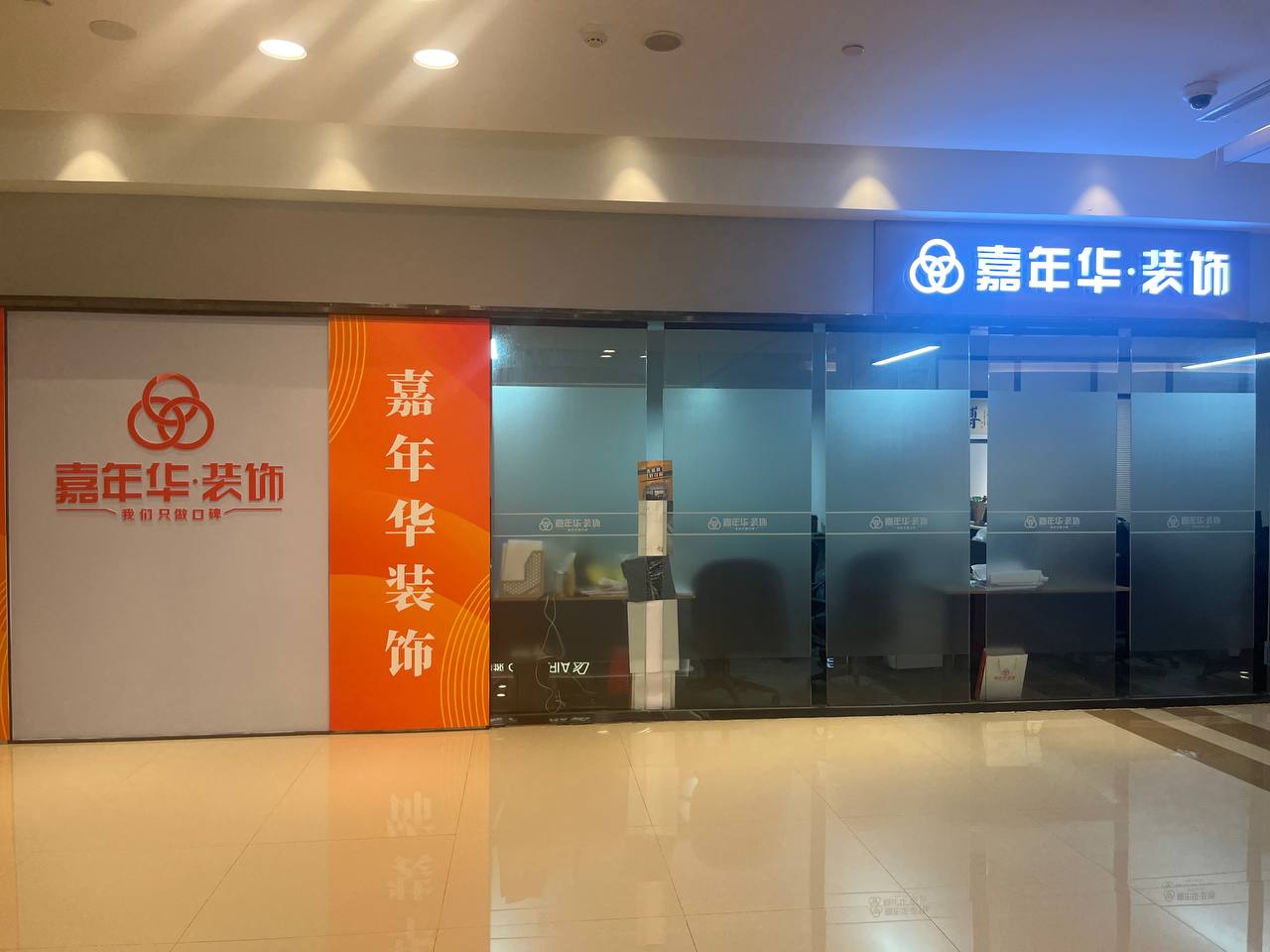
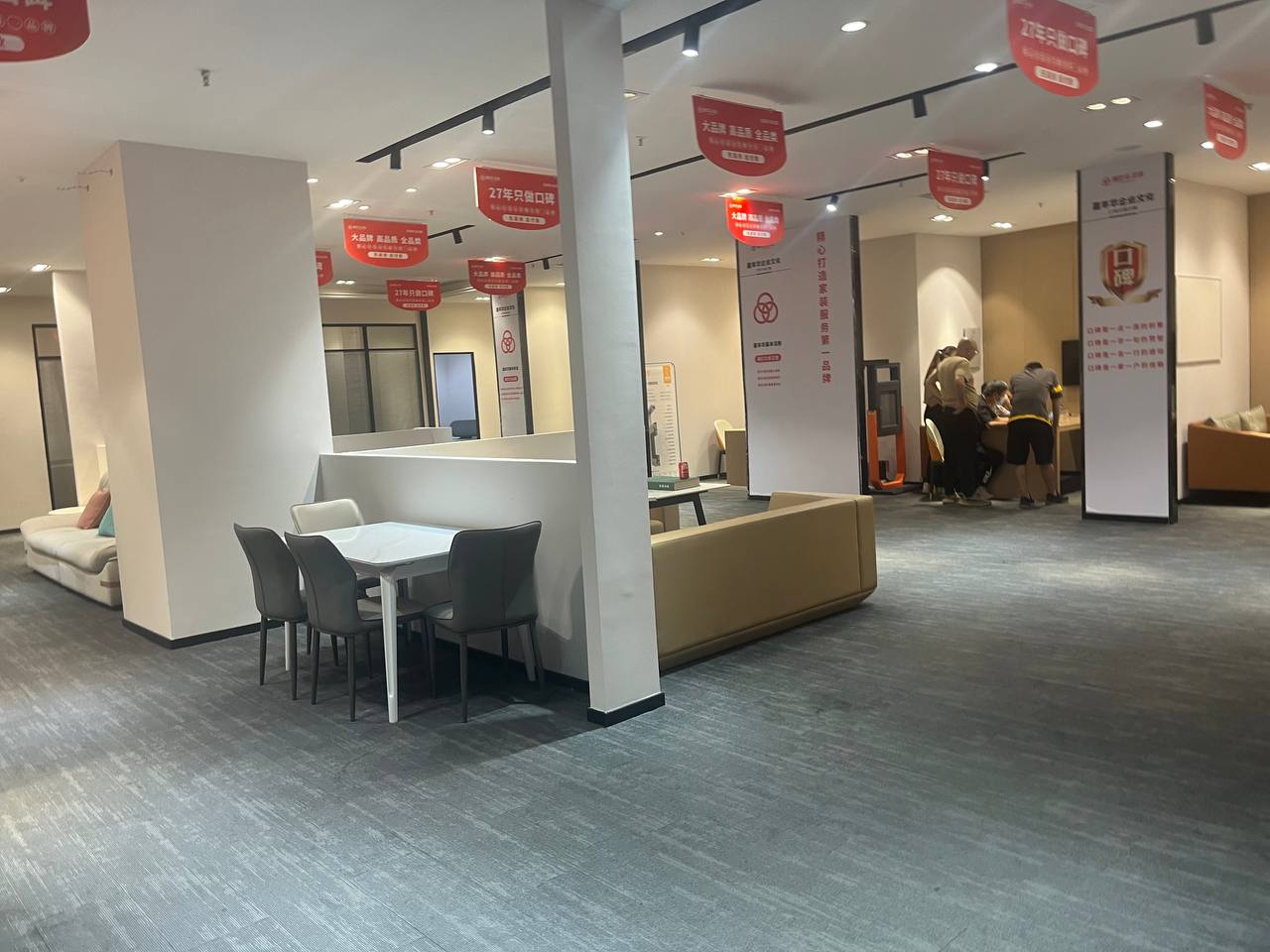
This is a photo of the company where I did my internship. The design department had a total of 10 designers, 4 design assistants, and one creative director. My main responsibility was to assist one of the designers in completing design tasks.
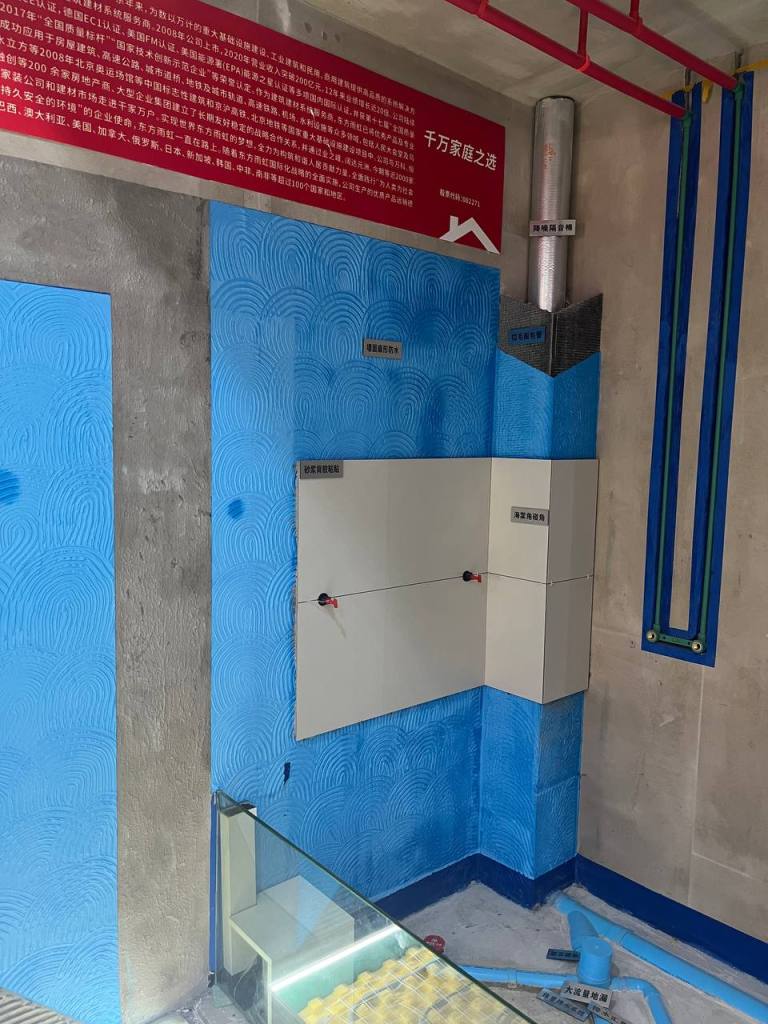
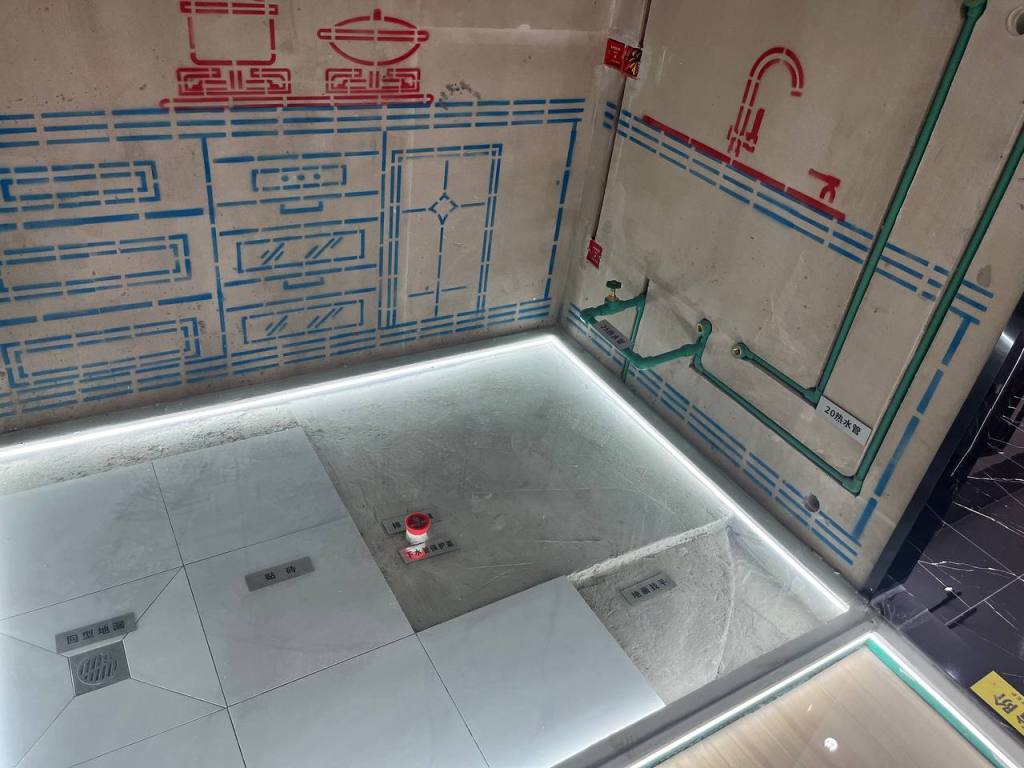

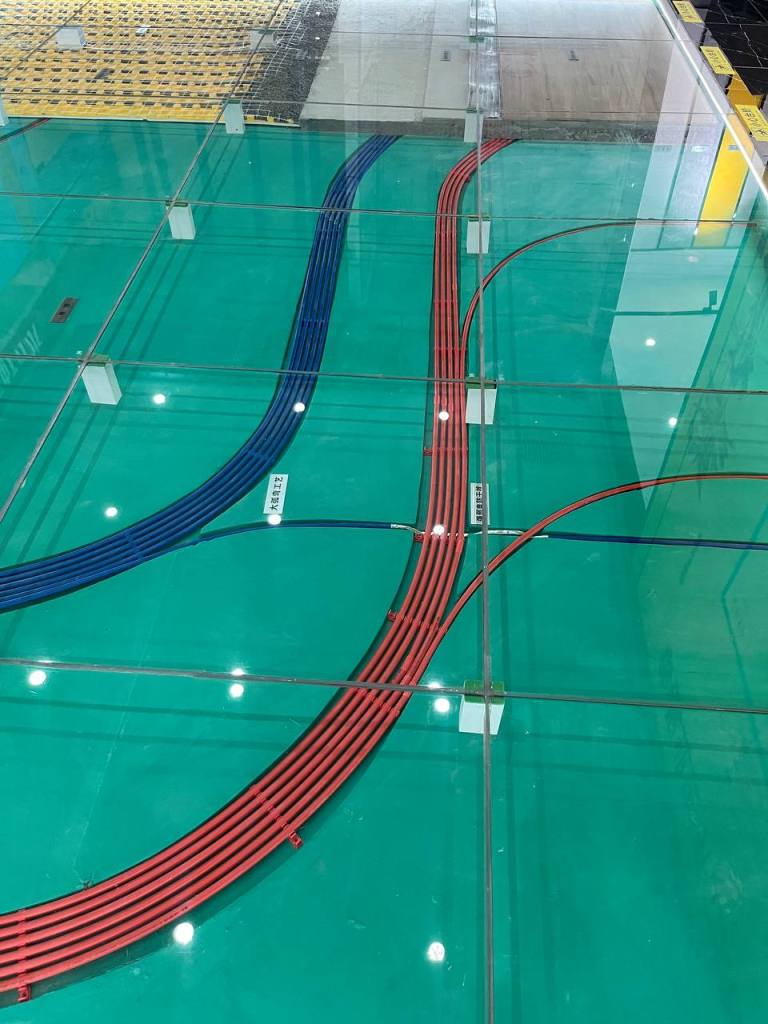
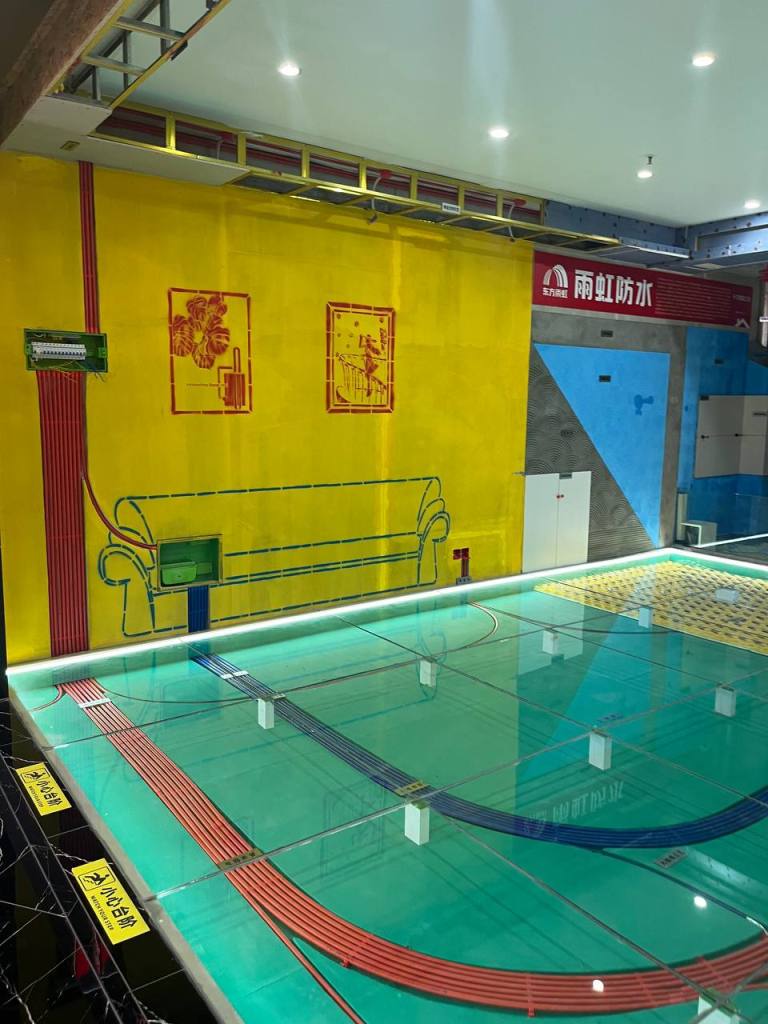
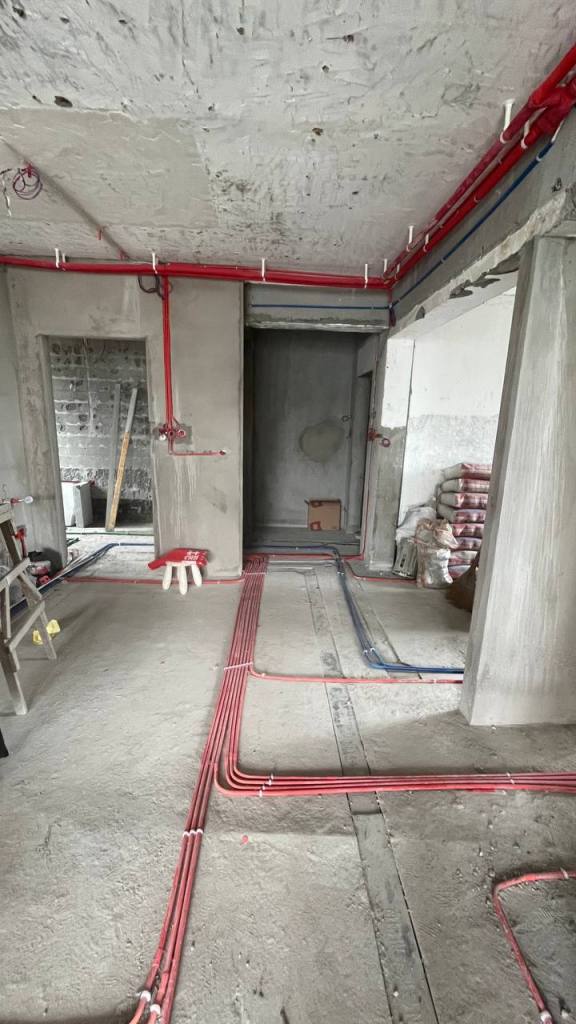
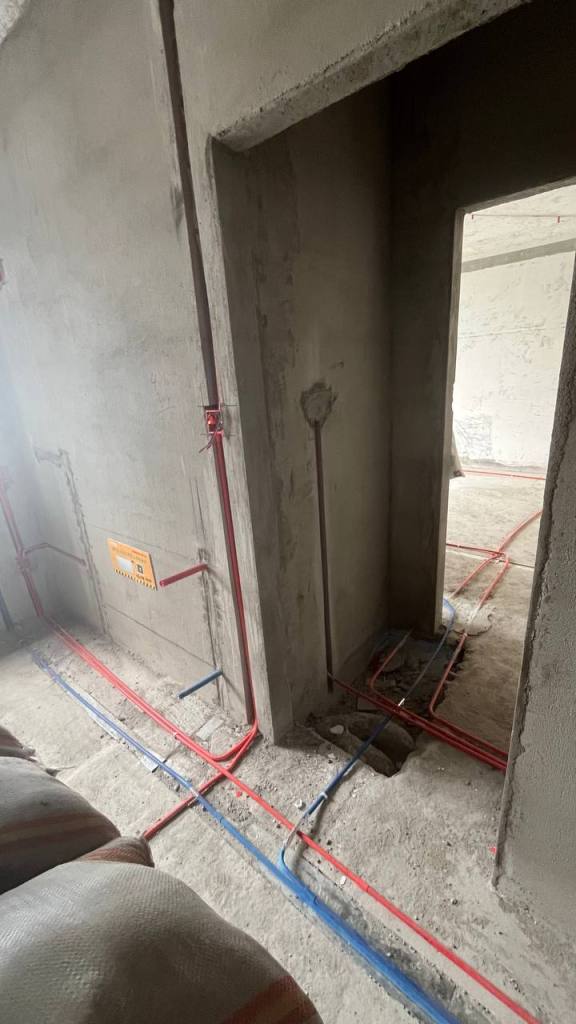
The first thing I did upon entering the company was learn about various construction standards. The company had a large showroom displaying detailed aspects of construction, such as wiring layouts and waterproofing standards for bathroom areas. This learning was essential for site inspections and communicating with construction workers to prevent misunderstandings or errors when conveying requirements or drafting plans.
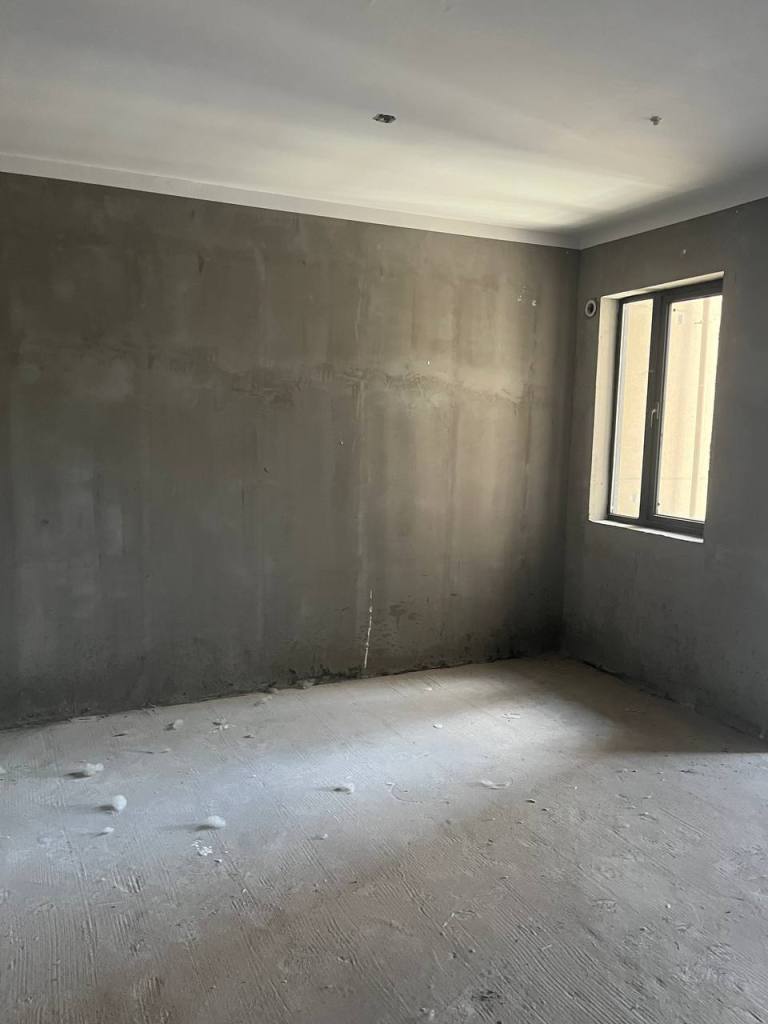
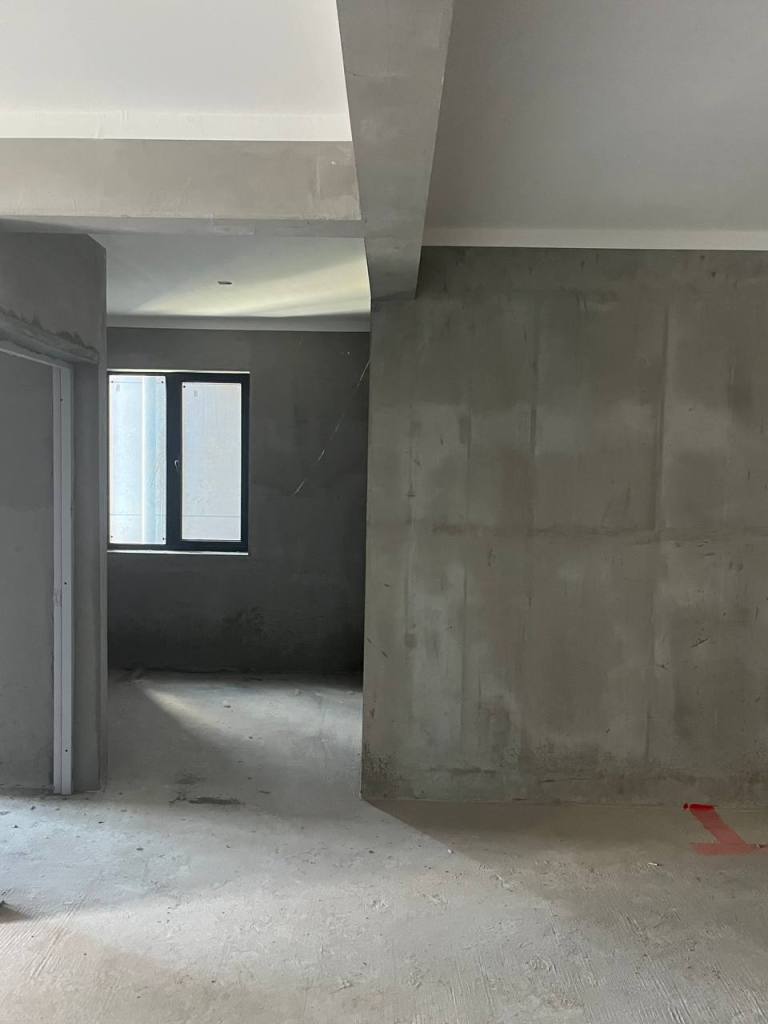
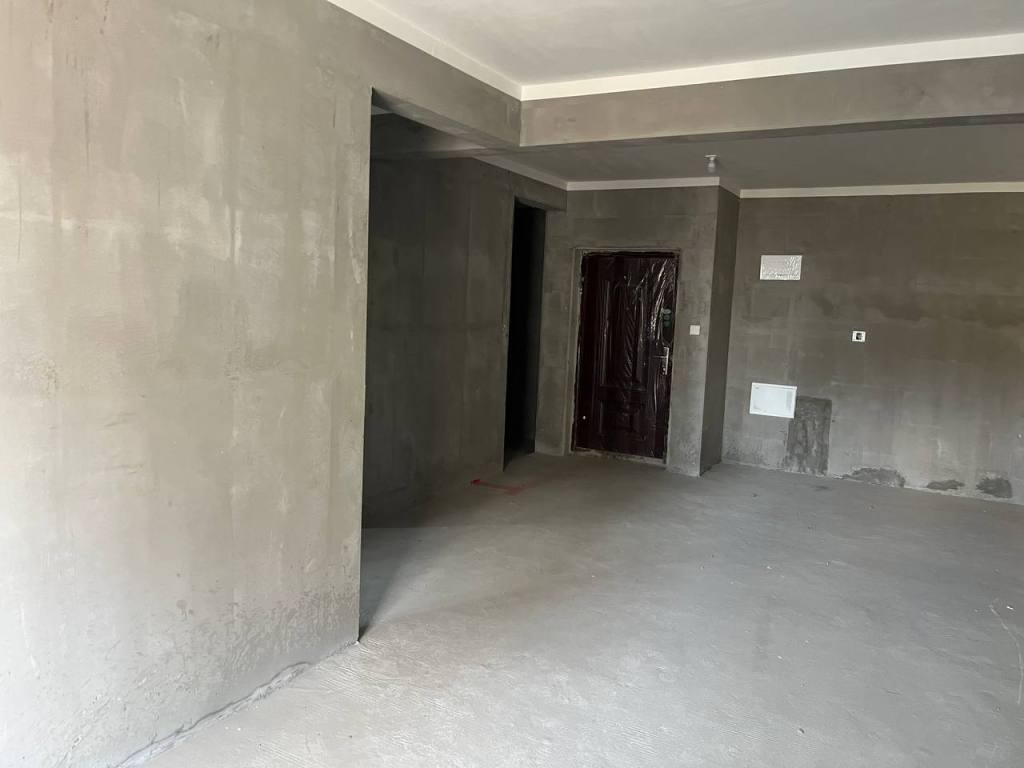
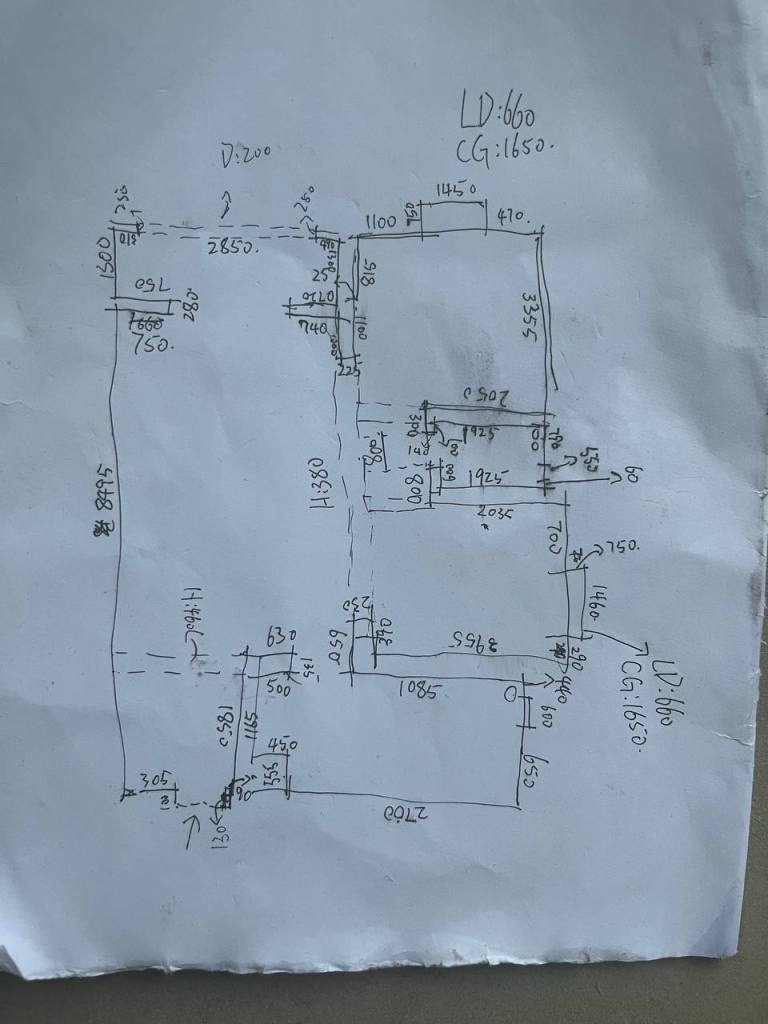
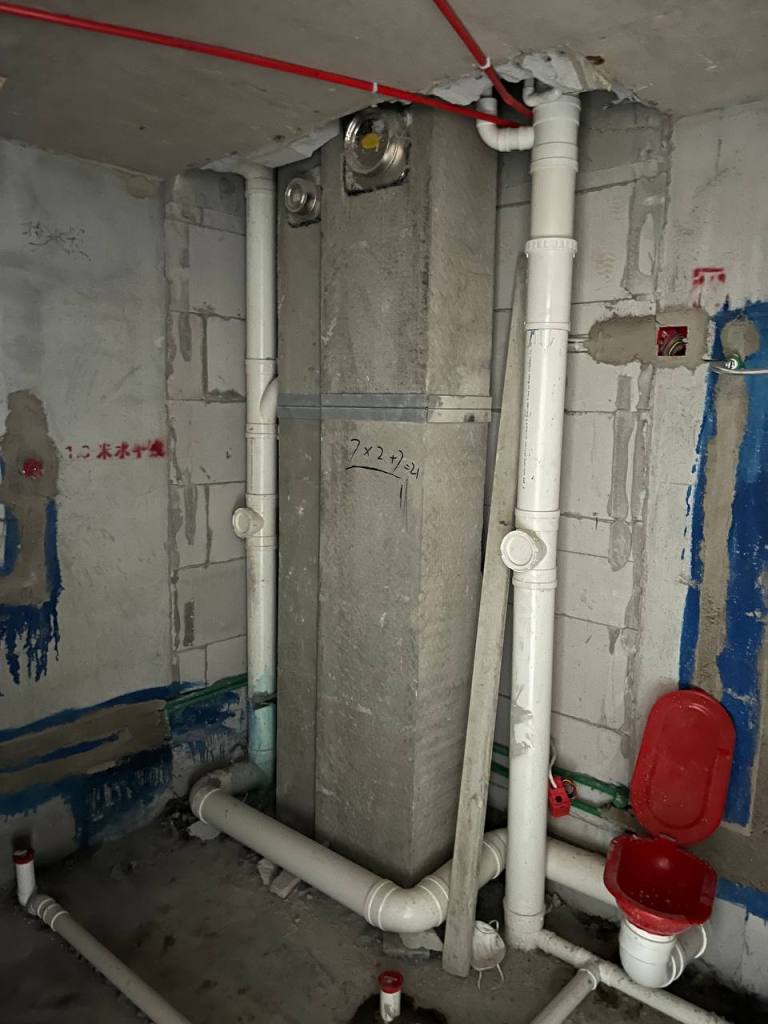
On the second day, my designer took me to meet a client who needed a renovation. Since it was our first meeting, the first step was to take measurements inside the unfinished apartment. This was an area I had never encountered in school—at school, our instructors provided us with pre-made drawings, and we would start designing right away. But here, we had to take measurements ourselves before developing the design plan.
After returning to the company, I began brainstorming design plans. The designer told me to first draw the floor plan and then sketch out all the possible design solutions I could think of.
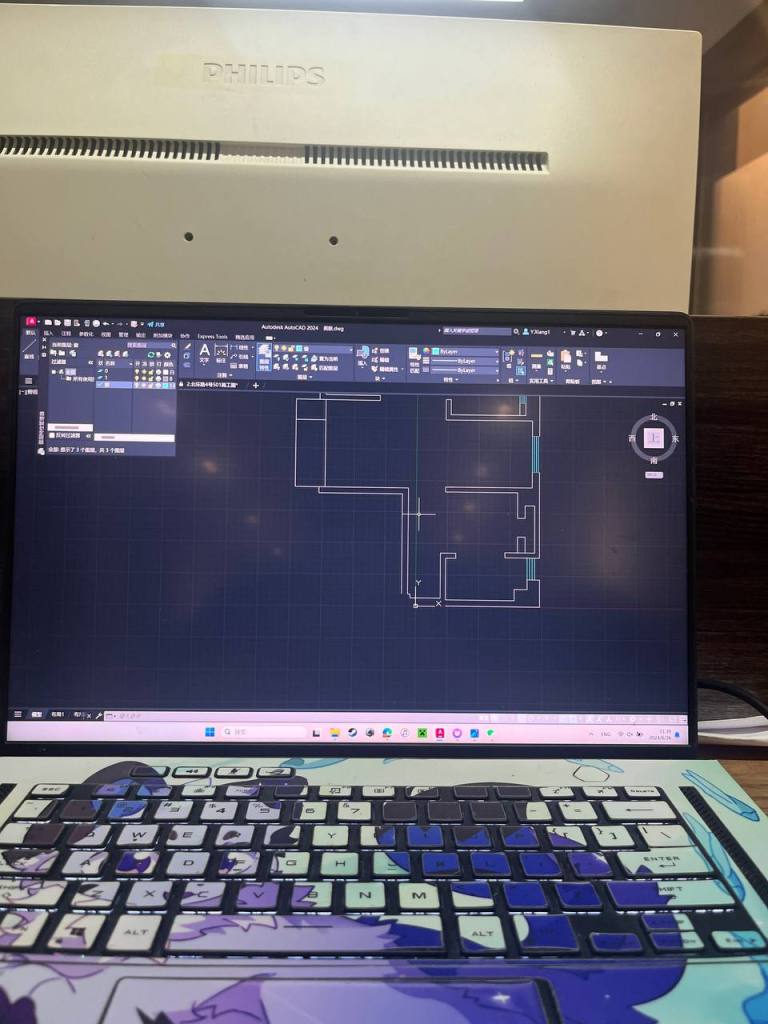
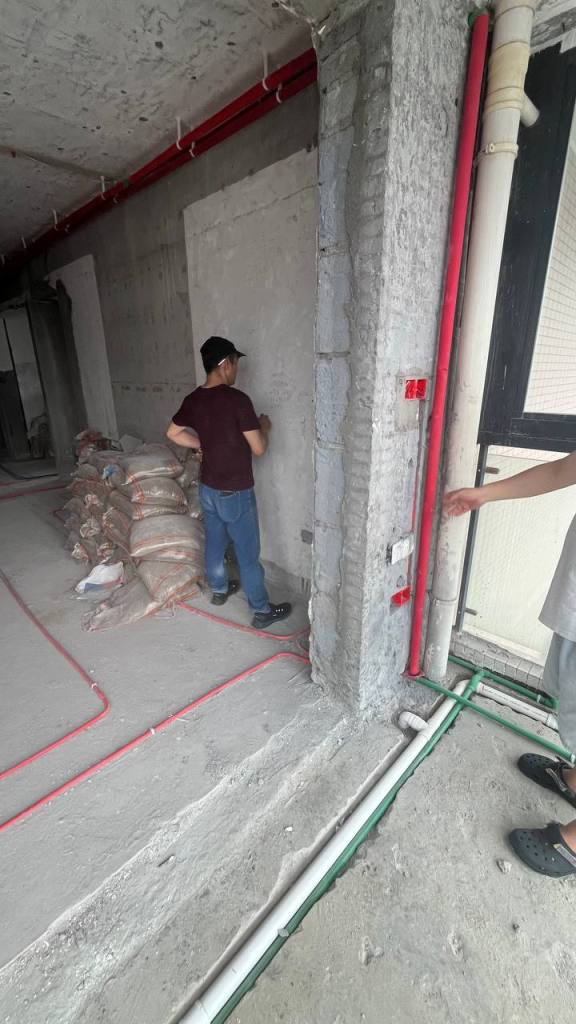
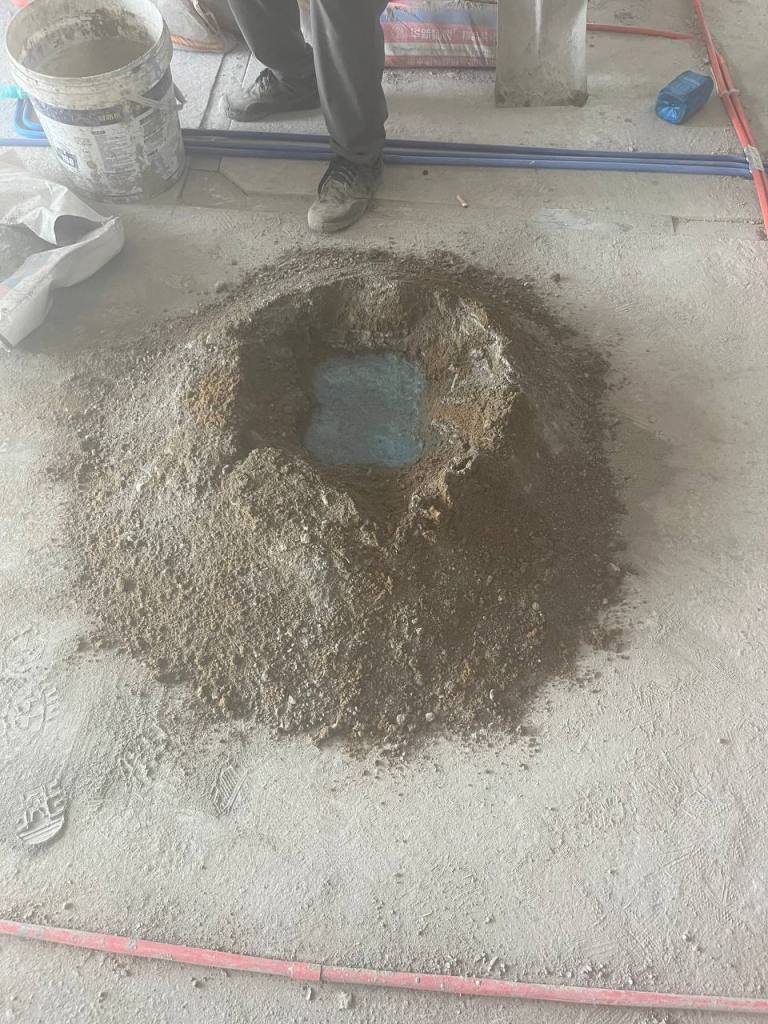
After that, my daily routine consisted of continuously drafting drawings and brainstorming design solutions. Sometimes, I would accompany the designer to construction sites to check on progress and inspect design details. These experiences allowed me to learn a great deal—for example, how to systematically communicate with engineers and carpenters about implementing a design, including technical details, how to assess whether the construction progress was too slow, and how to coordinate with the project manager on budget-related matters. Throughout this process, I was constantly learning.
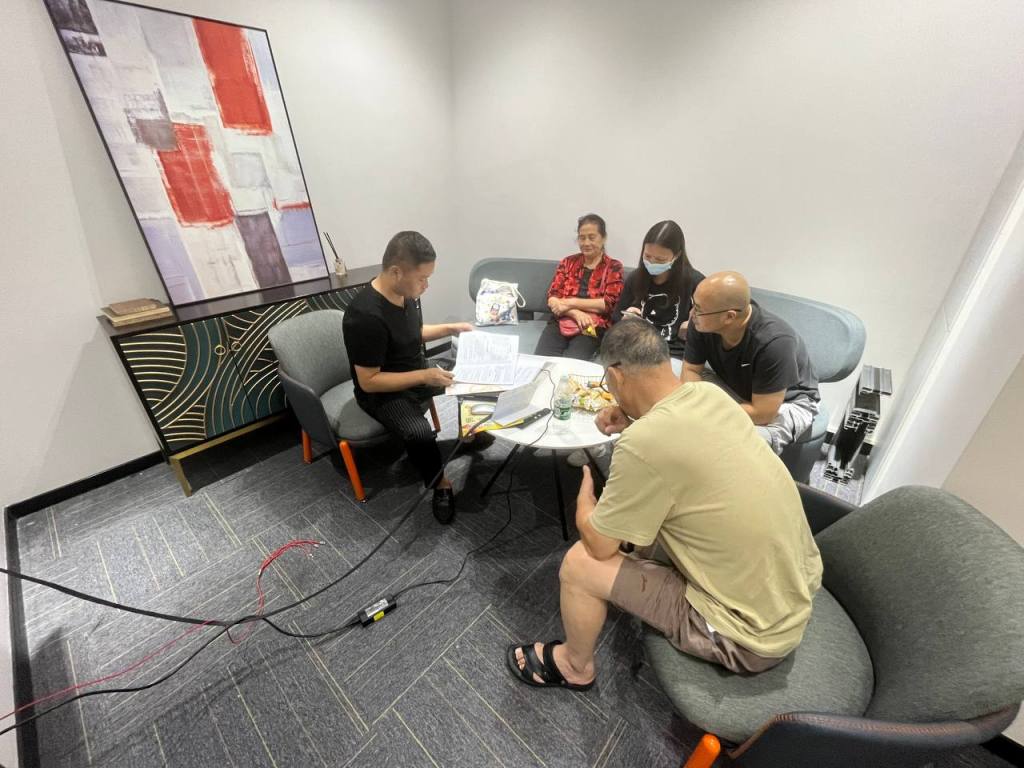
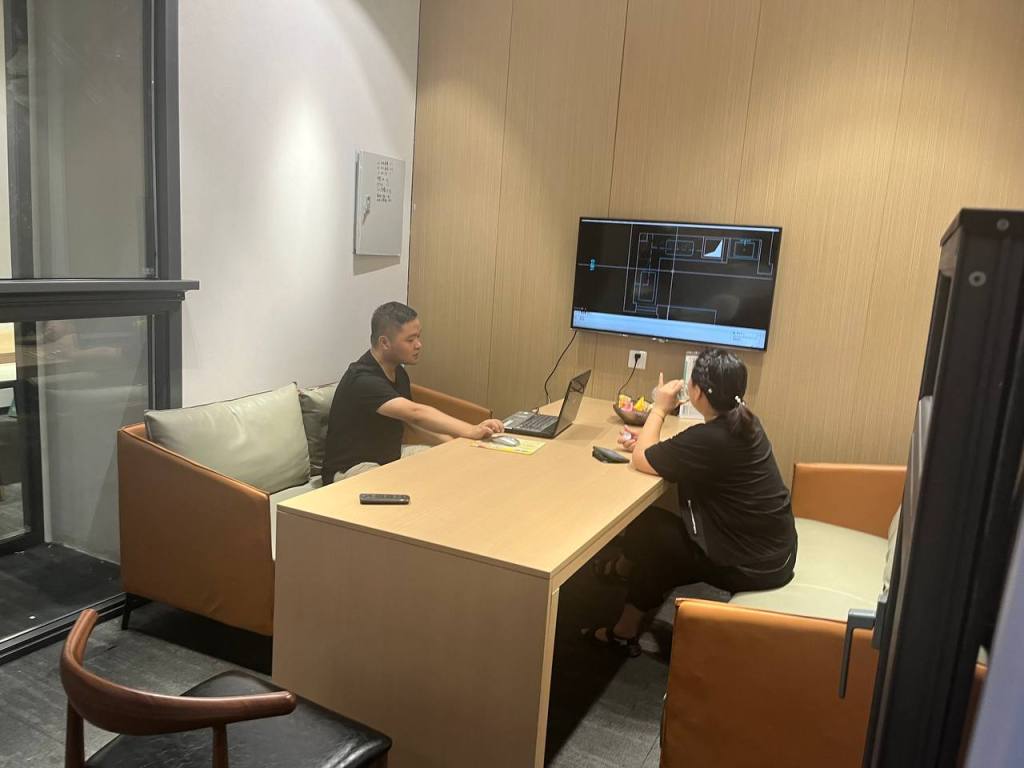
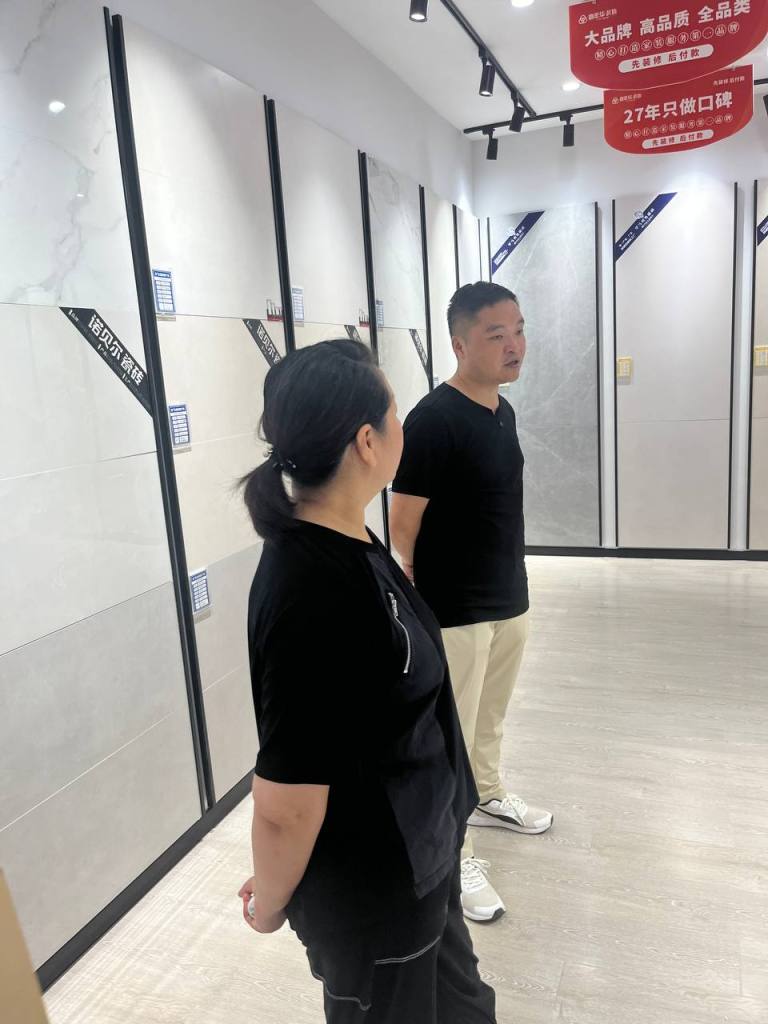
After that, I gradually started interacting with clients, including discussing design plans, exploring budgets, signing contracts, and selecting decorative materials. My work involved all these aspects.
After that, several projects handled by different designers were either completed or nearing completion. I also needed to visit the sites to inspect our designs, checking details such as whether cabinet doors were perfectly aligned and ensuring that dimensional errors were kept within 3mm. Every detail had to be carefully examined on-site. If something was not done well, I had to point it out to the engineers or carpenters and request adjustments or rework.
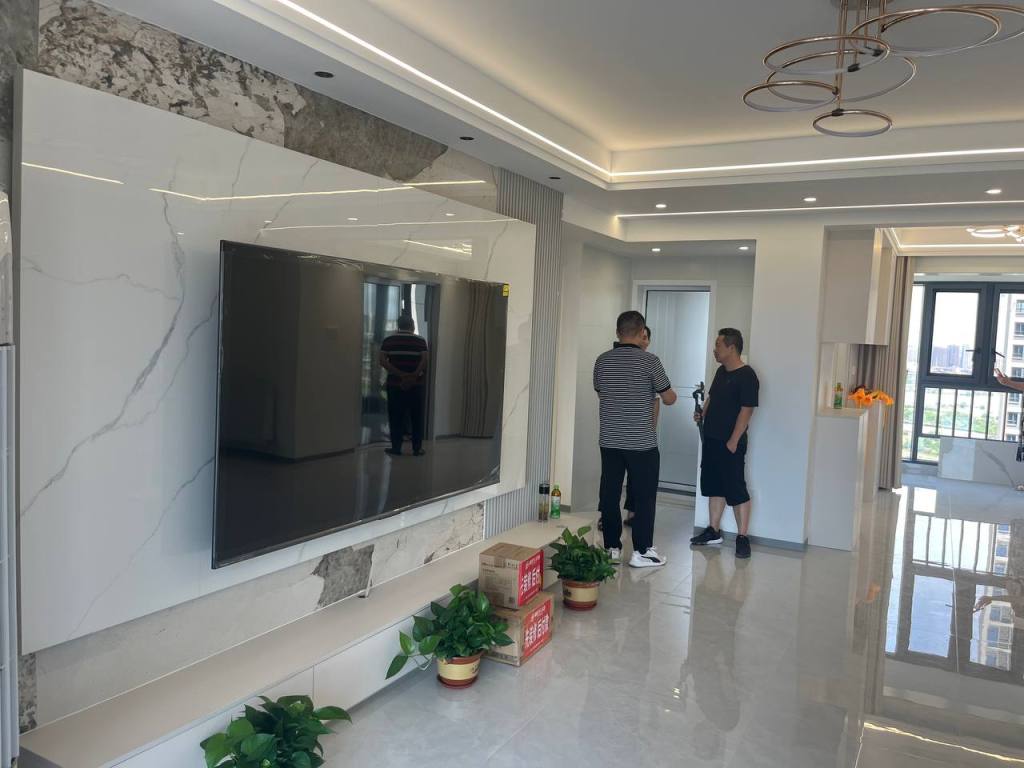


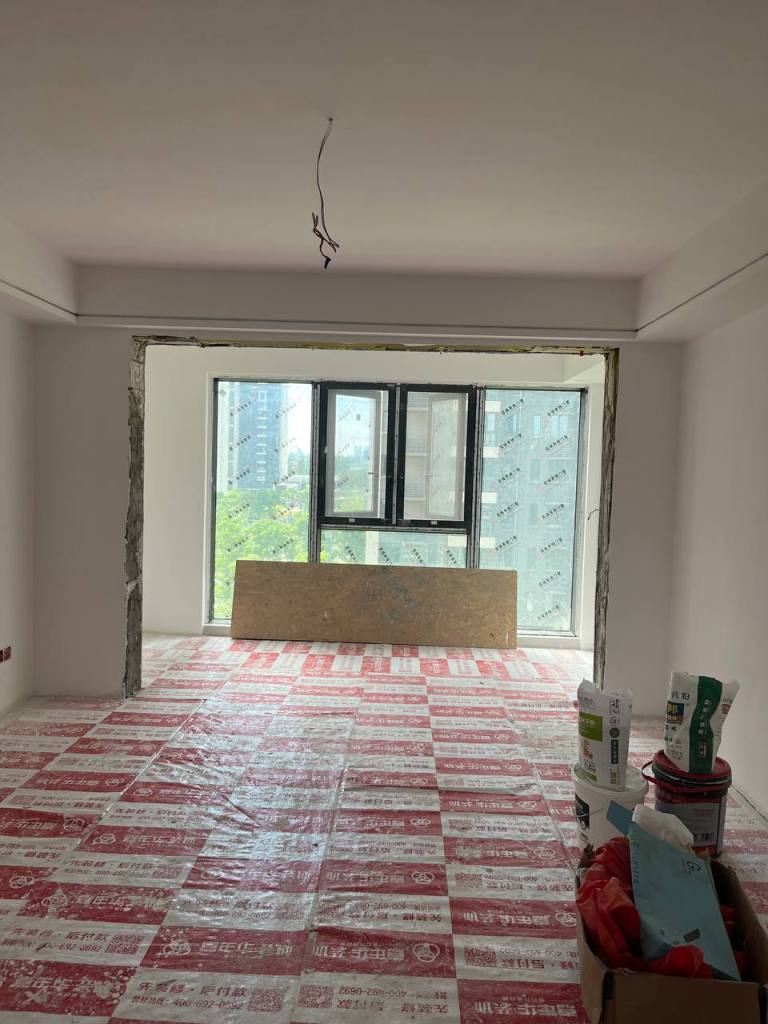
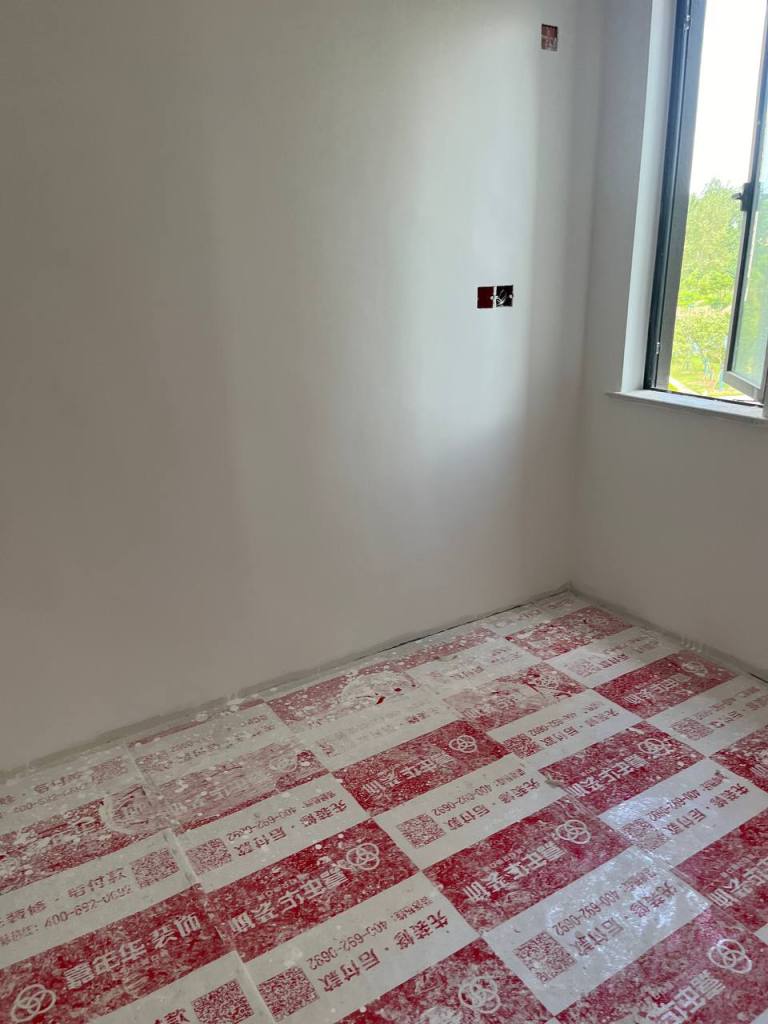
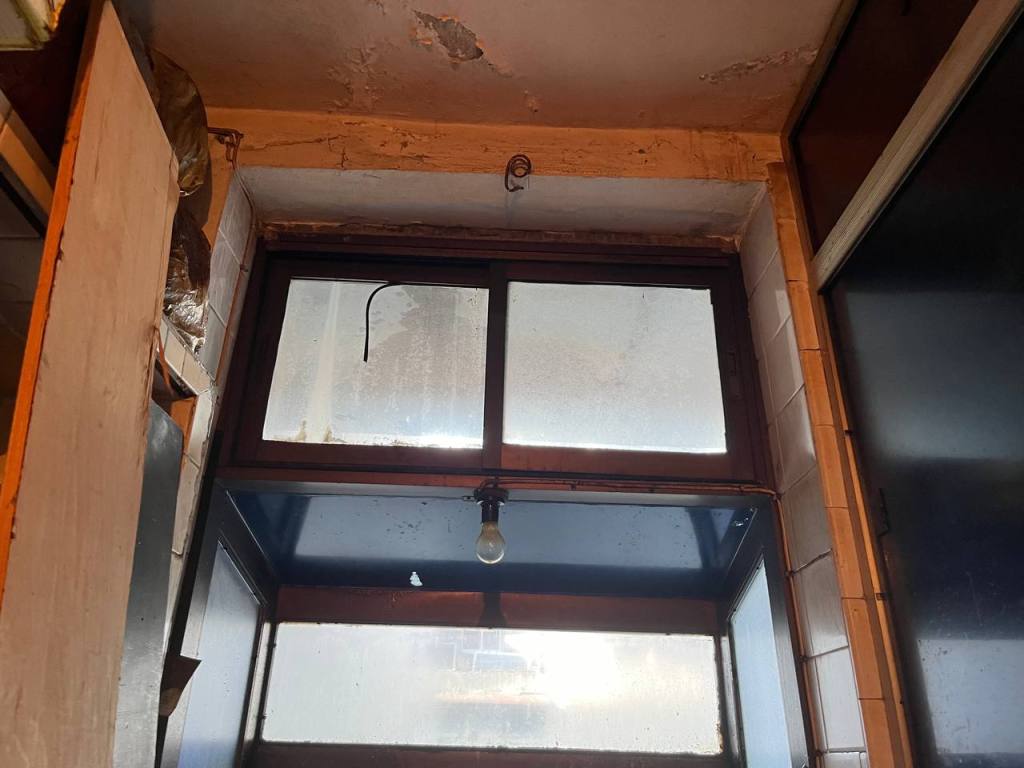
During this time, I encountered a particularly interesting project—renovating an old residential unit. The homeowner was an elderly man who seemed reluctant to share personal details about his family. When we inquired about his living habits and the number of people who would be staying in the home, he chose to avoid the questions.
Working on this project made me realize that the issues of aging individuals living alone and outdated housing have become challenges our society needs to address. These concerns often go unheard because this group has a relatively weak voice in society. However, as interior designers, I believe our role is to recognize their needs, integrate human-centered care into our designs, and truly listen, document, and implement solutions that serve them.


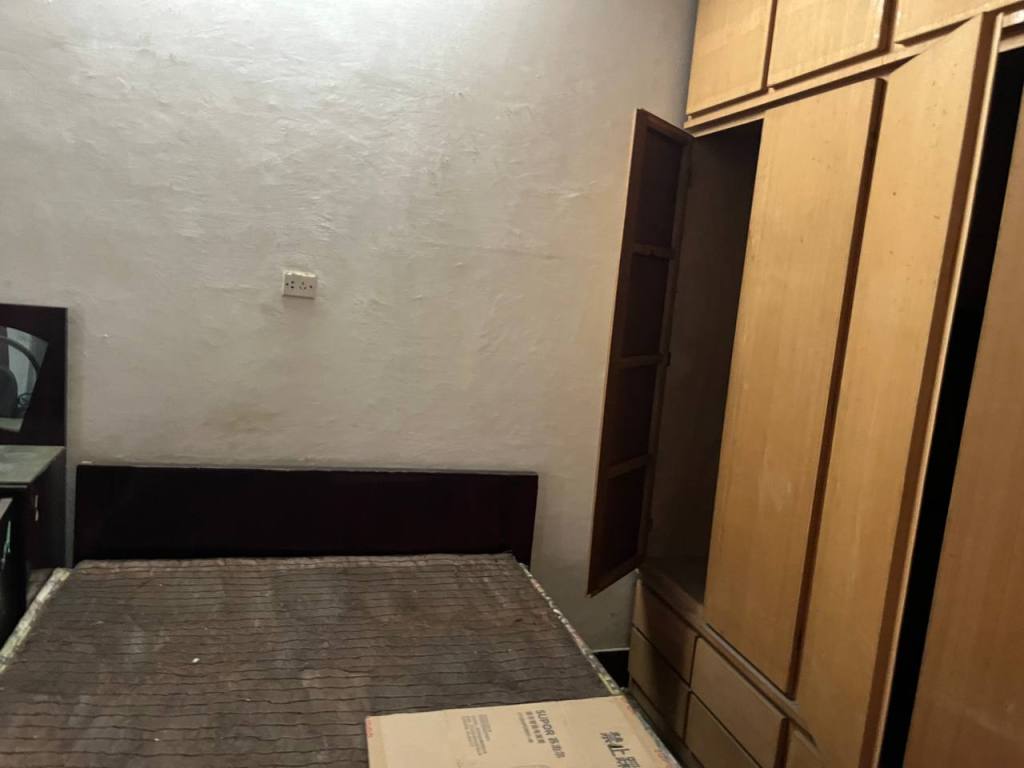
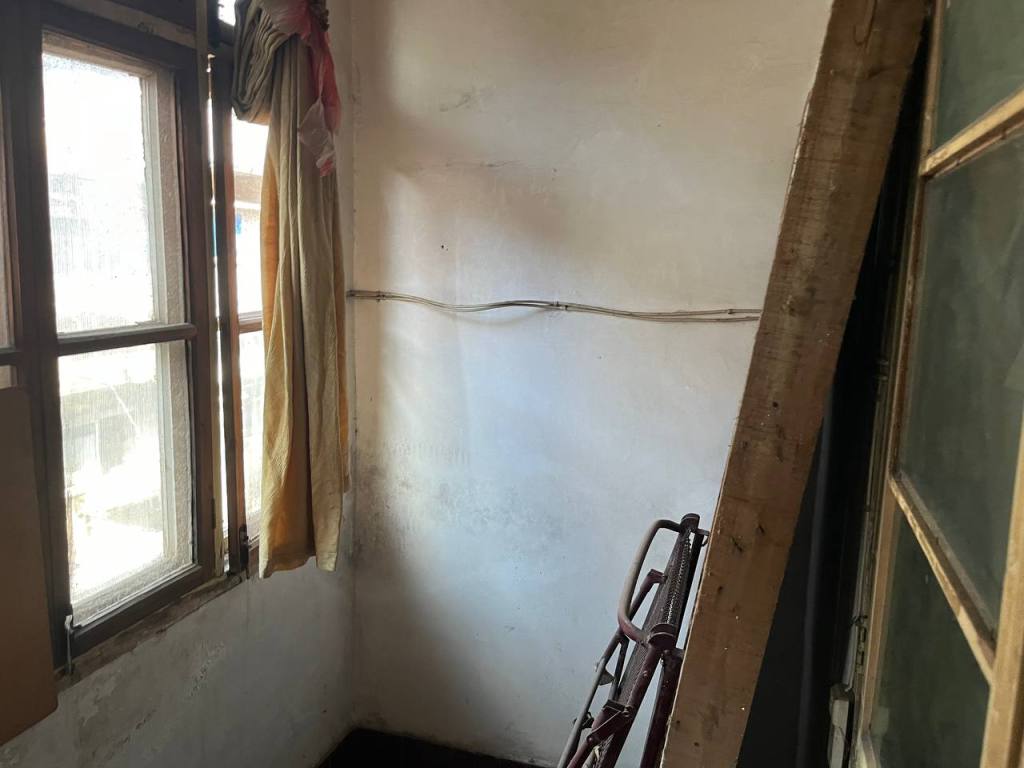
During this internship, I learned a lot—not just about interior design, but also about how to communicate with different people and the societal issues and trends reflected in the design process. The company I interned at focused primarily on residential renovations, which allowed me to deeply engage with local culture and lifestyle.
This experience helped me reflect on how culture and ways of living influence design. Moving forward, I want to learn how to incorporate these evolving elements into my future projects.
 Fan’s portfolio